
A Complete Care Guide for Stone Decor Owners | Home & Lifestyle
Introduction
You spent good money on that beautiful soapstone idol, marble showpiece, or onyx decorative bowl — and naturally, you want it to stay as stunning as the day you brought it home. But here’s the thing: soft stone handicrafts are not like regular home decor. They are porous, delicate, and surprisingly sensitive to everyday household products that seem completely harmless.
Whether you own a Agra marble elephant, a Rajasthani soapstone vase, a carved limestone figurine, or a green onyx tray from Udaipur — this guide is written specifically for you. We will cover the right way to clean, what chemicals to never use, how to bring back lost shine, and how to maintain your stone decor for years to come — all using simple things available at home.
What Are Soft Stone Handicrafts? (Know Your Stone First)
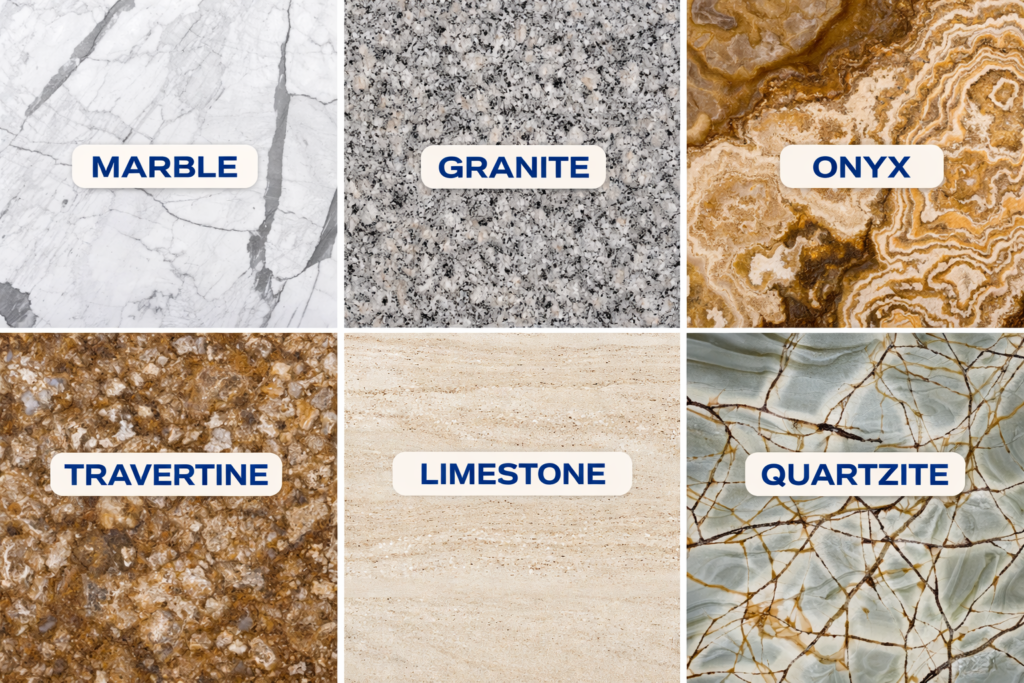
Before cleaning anything, you need to know what type of stone you are working with. Different stones have different tolerances.
Common soft stones used in Indian handicrafts:
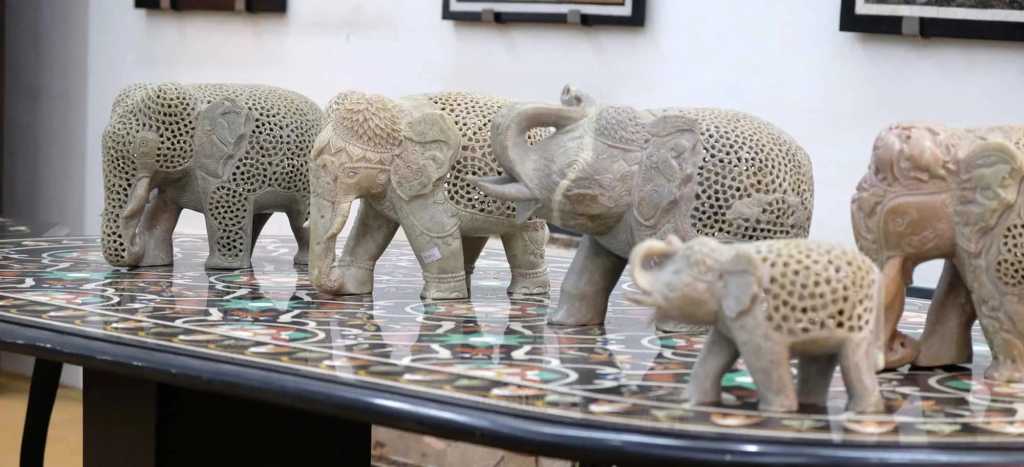
Soapstone (Gorara / Steatite) — Used in Agra, Rajasthan, and Odisha for idols, incense holders, and decorative carvings. Very soft (Mohs hardness 1–2), easily scratched, and quite porous.
Marble — Used across Rajasthan for figurines, trays, and wall art. Moderately soft and highly sensitive to acidic substances. Agra white marble and pink Rajnagar marble are most common in Indian handicrafts.
Onyx — Used for lamps, bowls, and decorative panels. Very porous and sensitive to moisture, heat, and acids. Requires the most careful handling.
Limestone / Sandstone — Used in carved wall panels and religious art. Porous and dusty by nature.
Alabaster — Used in translucent decorative pieces. Extremely soft and water-sensitive — never submerge in water.
Once you know your stone, cleaning becomes much safer and more effective.
Section 1: Daily & Weekly Dusting — The First Line of Defence
Most people skip this step, but it is actually the most important part of stone care. Dust particles, when left on a stone surface, act like micro-sandpaper. Over time, they scratch and dull the polish of even the hardest stones — and for soft stone handicrafts, the damage happens much faster.
How to dust soft stone handicrafts correctly:
Use a dry, soft microfiber cloth. Wipe gently in one direction — not in circles. A soft-bristle paintbrush (like a wide watercolour brush) works brilliantly for getting into carved grooves, jaali work, and intricate designs without scratching the stone.
Never use a regular household duster with stiff bristles or feathers. These can leave hairline scratches on polished soapstone and marble surfaces that are difficult to reverse.
Frequency: Dust your stone handicrafts at least once a week. If you live in a dusty area (which most Indian homes do, especially during summer), do it twice a week.
Pro tip: Keep stone pieces slightly away from open windows where dust and grit flow in directly. A glass shelf or display cabinet reduces dusting frequency significantly and protects the surface from accidental contact.
Section 2: How to Clean Soft Stone Handicrafts at Home — Step by Step
When dusting is not enough — after a spill, during seasonal cleaning, or when the piece looks dull — here is the correct cleaning method.
What you will need:
- Soft microfiber cloths (2–3 pieces)
- A small bowl of lukewarm water
- 1–2 drops of mild, pH-neutral dish soap (like Vim Gel or any gentle liquid soap)
- A soft-bristle toothbrush (for carved areas)
- A dry towel
Step 1 — Remove loose dust first Before any water touches the stone, dust it completely with a dry microfiber cloth. Wet dust is harder to remove and can get pushed into pores.
Step 2 — Prepare your cleaning solution Mix lukewarm water with just 1–2 drops of mild dish soap. The water should be barely soapy — not bubbly. Too much soap leaves a film on the stone that attracts more dust later.
Step 3 — Damp wipe, never soak Dip your microfiber cloth in the solution and wring it out until it is only slightly damp — not wet. Wipe the stone surface gently. Never pour water directly onto soft stone handicrafts. Never submerge them in water. Alabaster and soft soapstone pieces can absorb moisture and weaken structurally if soaked.
Step 4 — Clean carved grooves carefully Use a soft toothbrush dipped in the same mild solution to gently work through intricate carvings, jaali patterns, or raised motifs. Work in gentle circular motions. Rinse the brush often.
Step 5 — Rinse with a plain damp cloth Take a second cloth dampened with plain water (no soap) and wipe the surface again to remove any soap residue. Soap film left behind will cause streaks and attract dust.
Step 6 — Dry immediately and completely This step is critical. Use a dry soft cloth to remove all moisture from the surface. Do not leave soft stone pieces air-drying while wet — moisture seeping into pores can cause staining, discolouration, and in worst cases, cracking over time.
Section 3: Removing Common Stains from Stone Decor
Oil-Based Stains (Ghee, cooking oil, hand cream, cosmetics)
Oil stains darken the stone and can be stubborn if left for long. As soon as you notice one, blot — never wipe — with a dry paper towel to absorb excess oil. Then apply a small amount of mild dish soap directly to the spot, leave for 2 minutes, and wipe with a damp cloth. For older oil stains, make a paste of baking soda and water, apply it to the stain, cover with plastic wrap, and leave for 24 hours. Wipe clean and rinse.
Organic Stains (Chai, coffee, haldi, fruit juice)
These leave pinkish-brown marks on light-coloured stones. For fresh stains, flush immediately with plain water and dry thoroughly. For set stains on light-coloured stones like white marble or alabaster, apply a few drops of 3% hydrogen peroxide (available at pharmacies) directly on the stain, leave for 10 minutes, then wipe clean. Do not use hydrogen peroxide on dark or coloured stones as it can bleach them.
Water Spots and Mineral Deposits
If your stone piece sits near a water source or plant pot, white chalky deposits can form. Wipe with a damp cloth and dry immediately after every exposure to water. For existing deposits, gently buff with a dry microfiber cloth using light pressure. Never use lime-removing chemical sprays — they are highly acidic and will etch your stone permanently.
Ink or Marker Stains
For light-coloured stones, use a small amount of rubbing alcohol on a cotton ball and dab — do not rub — the stain gently. For darker stones, use acetone (nail polish remover) on a cotton swab, applied very carefully only on the stain. Wipe with a plain damp cloth immediately after.
Section 4: Chemicals You Must NEVER Use on Soft Stone Handicrafts
This is the section most people wish they had read before the damage happened. The following common household products cause permanent, often irreversible damage to soft stone surfaces.
Vinegar and lemon juice — These are highly acidic. They chemically react with calcium carbonate in marble, onyx, and limestone, causing etching — dull, whitish, rough patches on the surface that cannot be wiped away. Even a small splash of lemon juice can leave a permanent mark on marble within minutes.
Baking soda used as a scrub — While baking soda paste works for stains (as mentioned above), never use dry baking soda as a scrubbing powder. It is mildly abrasive and will leave micro-scratches on polished surfaces.
Bleach and ammonia-based cleaners — Products like Colin, Harpic, Dettol spray, and Windex contain ammonia or bleach. These strip the sealant from stone surfaces, dull the finish, and weaken the stone structure over time. They should never come in contact with any soft stone handicraft.
Acidic bathroom and kitchen cleaners — Toilet cleaners, tile cleaners, and descalers are highly acidic. Even accidental contact during nearby cleaning can damage a stone piece.
Steel wool, rough sponges, and scouring pads — These cause visible scratches on soft stones like soapstone and marble almost instantly. Always use only soft cloth or a gentle toothbrush.
Dishwashers — Never put stone handicrafts in a dishwasher. The combination of hot water, harsh detergent, and mechanical agitation will destroy the finish and can crack the stone.
Important safety note: Never mix bleach and ammonia together for any cleaning purpose in your home. This combination creates a toxic gas.
Section 5: How to Maintain Polish and Shine at Home
Over time, even well-maintained soft stone handicrafts lose some of their original polish due to everyday exposure. Here is how to bring the shine back — without expensive professional help.
For Soapstone and Gorara Pieces
Soapstone can be beautifully revived with a small amount of mineral oil or baby oil. Put a few drops on a soft cloth and rub gently over the surface in circular motions. This brings back the rich dark lustre of soapstone and also provides a light protective coating against moisture. Wipe off any excess with a clean dry cloth. Do this once every 2–3 months.
For Marble Handicrafts
Use a marble-specific polish available at most hardware stores or online (brands like Stonera work well in India). Apply a small amount on a microfiber cloth and buff in small sections using circular motions. Wipe clean with a dry cloth. Avoid generic furniture polish or wax — these leave residue that attracts dust and is difficult to remove from stone.
For Onyx Pieces
Polish with a stone-safe polish following manufacturer directions. Always work in small sections and use circular motions for even coverage without streaks. Reseal onyx pieces every 6 months to maintain both shine and moisture protection.
DIY Polish for Light-Coloured Stones
Mix equal parts water and isopropyl alcohol (rubbing alcohol) in a spray bottle. Lightly mist the surface and buff dry immediately with a clean microfiber cloth. This removes light haze and restores surface brightness safely.
Section 6: Smart Storage and Display Tips
How you store and display your stone handicrafts matters as much as how you clean them.
Keep stone pieces away from direct sunlight for long periods. UV rays can fade coloured stones like green onyx and pink marble over months. Place them on a felt pad or foam base — this prevents scratching from the surface beneath and from vibrations. Never place soft stone pieces directly on glass shelves without padding, as the hard contact can cause chipping at the base.
Avoid keeping stone decor near areas with heavy humidity — like directly beside a kitchen sink, in a bathroom without ventilation, or near an AC unit that drips condensation. Moisture is one of the biggest enemies of porous soft stones.
If storing stone pieces during a move or long period, wrap them individually in soft cotton cloth — never in newspaper (ink can transfer to light stone surfaces) and never in plastic (which traps moisture).
Section 7: When to Call a Professional
Sometimes, home care is not enough. Consider professional stone restoration if your piece shows deep etching from acid exposure, deep scratches that catch your fingernail, persistent staining that doesn’t respond to home treatment, or structural cracks.
Professional stone care experts can re-polish, re-seal, and in some cases even repair cracked stone handicrafts using stone-matched fillers. The cost is almost always far less than replacing a cherished handcrafted piece.
Quick Reference Cheat Sheet
Do This:
- Dust weekly with a dry microfiber cloth
- Use only lukewarm water + 1–2 drops mild pH-neutral soap
- Blot spills immediately — never wipe
- Dry completely after every cleaning
- Use mineral oil for soapstone; stone polish for marble and onyx
- Seal onyx pieces every 6 months
Never Do This:
- Use vinegar, lemon, or any acidic cleaner
- Use bleach, ammonia, Colin, or Harpic
- Scrub with rough sponges or steel wool
- Soak or submerge stone pieces in water
- Put stone handicrafts in a dishwasher
- Leave wet stone to air dry
Conclusion
Soft stone handicrafts are not just decorative pieces — they are works of living heritage, shaped by skilled hands that have practised their craft for generations. A Rajasthani soapstone carving, a marble inlay tray from Agra, or an onyx lamp from Udaipur — each carries both artistic and cultural value that deserves proper care.
The good news is that caring for them is not complicated. With a soft cloth, mild soap, the right polish, and the knowledge of what to avoid — your stone decor can maintain its beauty for decades and become a cherished heirloom in your own home.